
A dental crown is a custom-made cap that fits over a damaged, decayed or weakened tooth, restoring its shape, strength and appearance. At the Sydney Implant Institute, our specialists provide precision-fitted porcelain and ceramic dental crowns in Sydney – custom-crafted to match your natural teeth, protect your smile and built to last.

A dental crown – sometimes called a tooth cap – is a hollow restoration that fits over the entire visible portion of a tooth above the gum line. Crowns are used when a tooth is too damaged for a standard filling, after root canal therapy, or to improve the appearance of a misshapen or severely discoloured tooth.
At the Sydney Implant Institute, we fabricate crowns from high-quality porcelain and ceramic materials that closely mimic the translucency and colour of natural enamel. Every crown is custom-designed to fit precisely over your prepared tooth, restoring full function and a result that blends seamlessly with your smile.
Restore Damaged Teeth
Crowns fully encase a weakened or broken tooth, providing 360° protection and restoring it to its original shape and function.
Natural-Looking Results
Our porcelain and ceramic crowns are colour-matched and shaped to blend perfectly with your surrounding natural teeth.
Long-Lasting Durability
With proper care, a well-fitted dental crown can last 10–15 years or more, making it a reliable long-term investment in your oral health.
Versatile Treatment
Crowns can protect root-canal-treated teeth, anchor dental bridges, cover implants, and restore cracked or severely worn teeth.
There are several situations where a dental crown may be the most appropriate treatment:
Our clinicians will carry out a thorough examination and advise whether a crown is the most appropriate option for your situation.
Without treatment, a damaged or weakened tooth is at risk of further fracture, infection and ultimately tooth loss. A dental crown acts as a protective shield, distributing bite forces evenly and preventing the tooth from splitting.
In many cases, placing a crown at the right time can avoid the need for more extensive and costly treatment later. Our team uses digital impressions and precision-milled restorations to ensure an accurate fit and a comfortable result.
Our clinicians at the Sydney Implant Institute will assess your tooth with a clinical examination and digital X-rays to determine whether a crown is the right course of action. Crowns are suitable for most patients with a damaged or compromised tooth.
In some cases – for example, where decay has extended below the gum line or the tooth root is severely compromised – alternative treatments such as extraction and implant replacement may be discussed instead.
We will explain all your options clearly, outline exactly what the crown procedure involves and provide a transparent cost estimate before any treatment begins.

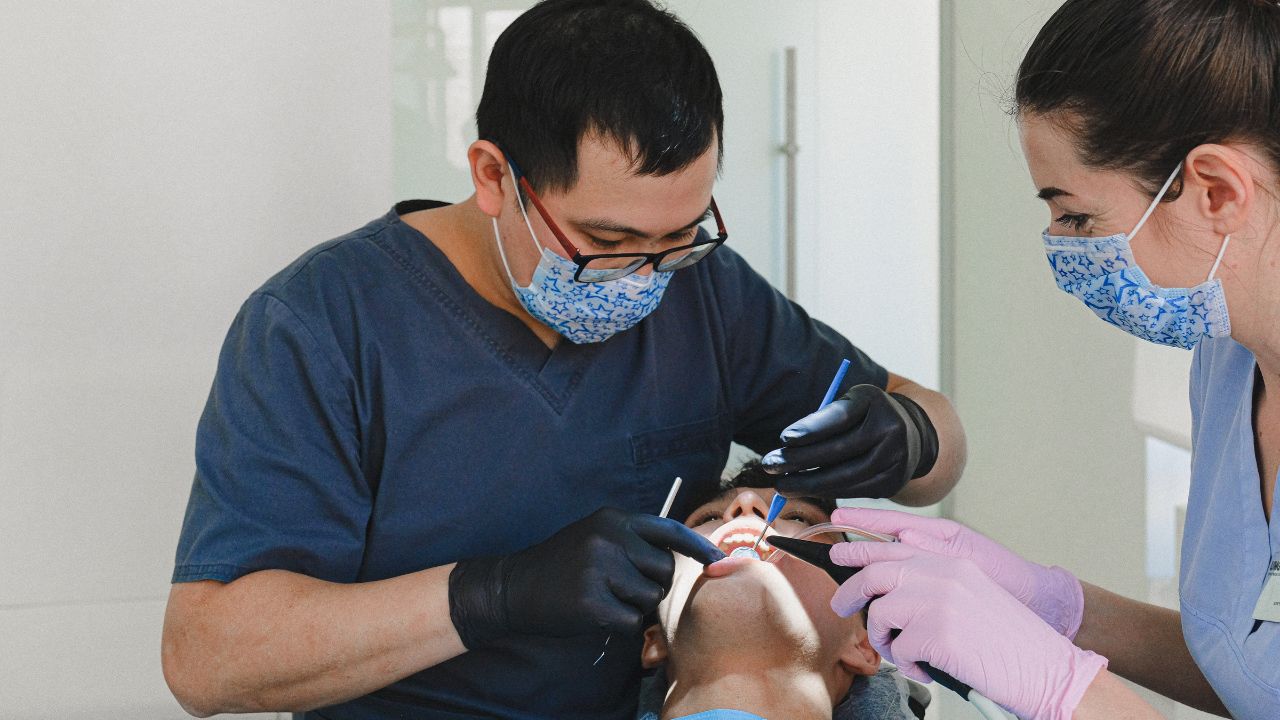
We offer a range of crown materials to suit different clinical needs, aesthetic goals and budgets. Our clinicians will recommend the most suitable option for your specific tooth and situation.
Porcelain and all-ceramic crowns deliver the most natural-looking result and are our most popular choice for front teeth and visible areas of the smile. They are metal-free, biocompatible and precisely shade-matched to blend with your surrounding teeth. Modern ceramics such as zirconia are also highly durable, making them suitable for back teeth as well.
Porcelain-fused-to-metal (PFM) crowns combine a strong metal substructure with a porcelain outer layer. They offer proven strength and a natural appearance. PFM crowns are a reliable, cost-effective option – though over time, a thin dark line at the gum margin may occasionally become visible. They are often recommended when additional strength is required and full aesthetic priority is less critical.
How long do dental crowns last?
With proper care and regular check-ups, a well-fitted dental crown typically lasts 10 to 15 years. All-ceramic and zirconia crowns can last even longer. Longevity depends on the crown material, your bite, oral hygiene habits and whether you grind your teeth at night.
Is getting a dental crown painful?
The procedure is carried out under local anaesthetic, so you should feel no pain during treatment. Some sensitivity and mild discomfort in the days following placement is normal and usually settles quickly. Over-the-counter pain relief is sufficient for most patients.
How many appointments does a crown take?
Most dental crown treatments require two appointments. The first is to prepare the tooth and take digital impressions. The second – usually one to two weeks later – is to fit and cement the permanent crown. A temporary crown is worn between appointments to protect the tooth.
What is the difference between a crown and a veneer?
A veneer covers only the front surface of a tooth and is primarily a cosmetic treatment. A dental crown encases the entire tooth above the gum line, providing both structural support and aesthetic improvement. Crowns are used when a tooth is damaged or weakened; veneers are best suited when the underlying tooth structure is largely intact.
How much does a dental crown cost in Sydney?
Crown costs vary depending on the material chosen, the complexity of the case and whether preparatory treatment such as root canal therapy is required. At your consultation, we provide a full itemised treatment plan. Our team can also advise on any health fund rebates that may apply under your policy.
Can a dental crown fall off?
A well-fitted and cemented crown is very secure. Occasionally, a crown can come loose if the cement deteriorates or the tooth beneath develops new decay. If your crown feels loose or comes off, contact our clinic promptly – do not attempt to recement it yourself.


