

Dental implants are designed to function like natural teeth and, with proper care, can remain healthy and secure for many years. However, long-term success isn’t just about the initial procedure — it depends on the everyday habits and ongoing maintenance that follow. Understanding the principles of long-term care helps protect both the implant and the surrounding gum and bone tissue.
In this article, we’ll explore practical ways to handle day-to-day implant care, the role of diet and regular check-ups and how to recognise early signs that may require professional attention. With the right approach, you can support the strength, comfort and appearance of your dental implants for many years to come.
Daily oral hygiene for implants
Proper daily oral hygiene is the foundation of dental implant long-term care. Just like natural teeth, dental implants can accumulate plaque and bacteria that may lead to gum inflammation if not managed properly. However, implants require a slightly more tailored approach so the surrounding tissues and prosthetic components stay clean and healthy.
To maintain your implants day to day:
- Brush twice daily: Use a soft-bristle toothbrush with a low-abrasive toothpaste to protect your gums and the implant crown surface.
- Clean between implants: Use implant-safe floss or correctly sized interdental brushes to remove debris in hard-to-reach areas.
- Consider a water flosser: If flossing is challenging, a water flosser can help rinse away food particles and plaque, especially around bridges or full-arch restorations — but it should be used in addition to brushing and interdental cleaning.
- Rinse as directed: If recommended by your dentist, use an antimicrobial mouthwash to help support gum health and reduce bacteria.
Diet and lifestyle factors
The foods you eat and the habits you keep play a major role in the long-term care of dental implants. A balanced diet supports your general health and the bone and gum tissue that anchor your implants. We recommend focusing on nutrient-rich foods that promote healing and bone density, such as:
- Calcium-rich foods like dairy, leafy greens and almonds
- Vitamin D from eggs, salmon or sunlight exposure
- Lean proteins that help tissue repair and regeneration
On the other hand, it’s best to avoid biting down on hard items (like ice or unpopped popcorn kernels) that could damage the prosthetic surface. Sticky, chewy or overly sugary foods can also contribute to plaque build-up, particularly around the gumline. Maintaining a balanced lifestyle and making small adjustments can also significantly influence your implant longevity:
- Smoking can affect blood flow to the gums, which slows down healing and increases the risk of implant complications.
- Excessive alcohol consumption may have a similar effect, interfering with bone integration and tissue recovery over time.
Protecting implants during sports or nighttime
Long-term care of dental implants also means protecting them from potential physical stress. If you participate in contact sports or activities where facial impact is possible, wearing a mouthguard is essential to safeguard both your implants and natural teeth from injury. A custom-fitted mouthguard made by your dentist offers far better protection and comfort than over-the-counter options, ensuring a secure fit without placing unnecessary pressure on your implants.
Grinding or clenching your teeth during sleep (a condition known as bruxism) can also put stress on implants over time. These repetitive forces can cause micro-movements that interfere with bone integration or wear down the prosthetic crown. If you experience this habit, your dentist may recommend a custom night guard to distribute pressure evenly and prevent damage, helping preserve the stability and longevity of your implants.
Regular dental check-ups
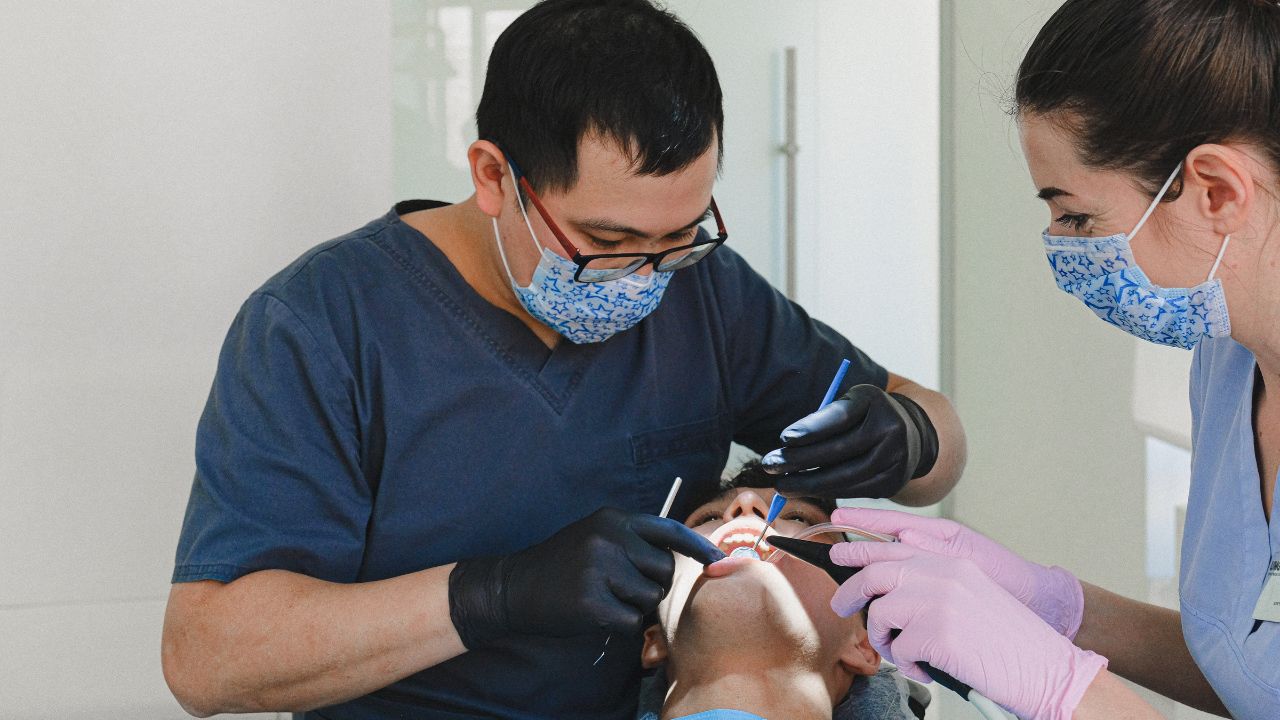
At Sydney Implant Institute, we believe professional maintenance is an important part of ongoing implant care and overall oral health. Even with excellent at-home hygiene, some areas around an implant or prosthesis can be hard to clean thoroughly without clinical tools and expert assessment — and that’s where regular check-ups make a difference.
During these routine visits, your dental team will:
- Inspect the implant and surrounding tissues for any signs of inflammation, gum changes or early soft-tissue concerns
- Perform professional cleaning using instruments designed for implants and prosthetic restorations
- Take appropriate imaging such as X-rays or scans to assess bone levels and confirm ongoing implant stability
- Check your bite and prosthetic alignment to help ensure comfort and function
Because every patient’s needs differ, your clinician will recommend a review schedule that’s right for you. Many patients benefit from reviews around every six months, with more frequent visits if needed to detect early signs of changes such as peri-implant inflammation or mechanical wear before they become significant.
Long-term benefits of proper care of implants
Consistent implant care pays off over the years, helping you maintain your restored smile and overall oral health. When implants are cleaned and checked regularly, they can continue to function comfortably and look natural for many years. Some of the long-term benefits of proper care include:
- Improved implant longevity — With good hygiene and routine dental visits, the supporting bone and gum tissue stay strong, helping your implants last longer.
- Reduced risk of complications — Regular monitoring allows early detection of issues like gum inflammation, preventing more serious concerns such as peri-implantitis.
- Better comfort and function — Keeping the implant site healthy ensures your bite remains stable and chewing feels natural.
- Preserved facial structure — Healthy bone levels around the implant help maintain facial balance and prevent the sunken appearance often caused by tooth loss.
If you’d like to better understand how to care for your implants and keep them healthy for years to come, start by learning about dental implants and what makes them a reliable solution for tooth replacement. You can also explore our dental implant FAQs for detailed answers about healing, lifestyle adjustments and ongoing implant care.
Warning signs to watch for
Even with good hygiene and consistent care, it’s important to stay alert for any changes around your dental implants. Early detection of potential issues can make an important difference in maintaining implant stability and gum health. Contact your dental clinic or oral surgeon promptly if you notice any of the following:
- Redness, swelling or bleeding around the gums – This may indicate inflammation or early peri-implant changes
- Pain, tenderness or looseness near the implant – Any ongoing discomfort after the initial healing period should be checked
- Bad breath or a metallic taste – These can sometimes be signs of infection or plaque build-up around the implant site
- Changes in your bite or the feel of your restoration – Movement or shifting of the prosthetic may suggest a mechanical or underlying issue
Don’t wait for symptoms to worsen. Prompt professional assessment can help prevent minor irritation from developing into more serious complications. If anything feels different from your usual comfort level, contact your implant dentist for advice or a review appointment.
Learn more about dental implant care
For those interested in full-arch solutions, our guides on All-on-4 treatments and common All-on-4 questions explain how this approach works and what to expect from treatment and recovery. You can also read about how long dental implants last and the key factors that contribute to their longevity.
Ready to take the next step?
If you’re ready to explore your options or simply want expert guidance on maintaining your implants, the team at Sydney Implant Institute is here to help. Our clinicians combine advanced digital planning, precision treatment and compassionate aftercare to ensure your implant journey is supported at every stage.
Book your consultation today to discuss your personalised treatment and learn how thoughtful, consistent care can support the long-term success of your dental implants.


