

A proven procedure to save your natural tooth, eliminate infection and relieve pain. The Sydney Implant Institute provides expert root canal therapy in Sydney with gentle care, advanced technology and lasting results.

Root canal therapy, also called endodontic treatment, is a procedure designed to remove infected or damaged pulp from inside a tooth. The pulp is the soft tissue at the centre of the tooth containing nerves, blood vessels and connective tissue. When bacteria reach the pulp through deep decay, a crack or trauma, infection develops and causes significant pain. Without treatment, the infection can spread to surrounding bone and neighbouring teeth.
Root canal therapy allows us to save the tooth by removing the infected tissue, thoroughly cleaning and shaping the canals, and sealing them to prevent reinfection. A crown is usually placed over the treated tooth to restore its strength and function. With proper care, a root-canal-treated tooth can last a lifetime.

Root canal therapy removes infection while preserving your natural tooth structure, avoiding the need for extraction.

Most patients feel significant relief immediately after treatment as the source of infection and nerve pain is removed.

Performed under local anaesthetic with sedation options available, root canal therapy is no more uncomfortable than a standard filling.

With a crown restoration and good oral hygiene, a root-canal-treated tooth can remain functional for decades or a lifetime.
Root canal therapy may be recommended when the dental pulp becomes infected or inflamed. Common causes include:
Common warning signs that you may need root canal therapy include: a persistent toothache or throbbing pain, prolonged sensitivity to hot or cold, tenderness or swelling in the gums, a pimple-like abscess on the gum, tooth discolouration, or pain when biting or chewing. In some cases, infection is present with no symptoms at all, which is why regular dental check-ups are important.
Severe decay that has reached the pulp chamber, allowing bacteria to infect the inner tissue of the tooth.
A cracked or fractured tooth that exposes the inner tissue, leaving the pulp vulnerable to infection.
Repeated dental procedures on the same tooth that have weakened the structure and compromised the pulp.
Physical trauma such as a blow to the mouth that damages the tooth's internal tissue even without visible fracture.
A leaking or faulty crown that allows bacteria to enter, leading to infection of the dental pulp.
Left untreated, a tooth infection can spread to the jawbone and surrounding teeth, potentially leading to tooth loss and serious systemic health complications. Root canal therapy is the most effective way to eliminate the infection at its source, relieve pain and preserve your smile. Our experienced clinicians at the Sydney Implant Institute use the latest rotary endodontic instruments and digital imaging to make the procedure as efficient and comfortable as possible.
Our experienced clinicians at the Sydney Implant Institute will conduct a thorough examination, including digital X-rays or 3D CBCT scans, to assess the health of your tooth and the extent of the infection. Root canal therapy is suitable for most patients with an infected or damaged tooth, however, if the tooth is too severely damaged to be restored, extraction may be the recommended alternative.
During your consultation we will explain all available options, walk you through the procedure and answer any questions you have so you can make a fully informed decision about your treatment.

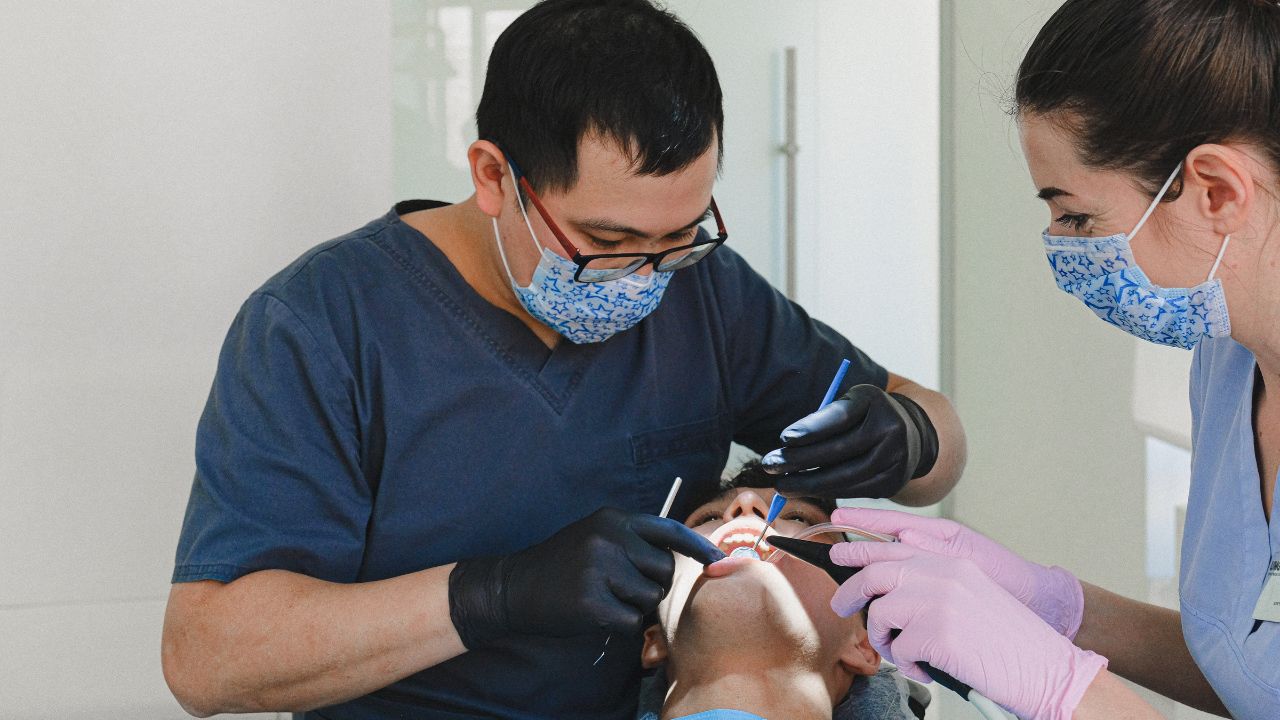
The complexity of a root canal procedure depends on which tooth is affected and the degree of infection or damage. At the Sydney Implant Institute, we provide the full range of endodontic treatments to suit every situation:
Front teeth (incisors and canines) typically have a single root canal, making the procedure more straightforward. The infected pulp is removed, the canal is cleaned, shaped and filled with a biocompatible material called gutta-percha, and the tooth is sealed with a temporary or permanent restoration. A crown is usually recommended to protect the tooth long-term.
Premolars and molars have two or more root canals, which requires more time and precision to treat thoroughly. Our clinicians use rotary endodontic instruments and digital imaging to navigate complex canal anatomy and ensure complete removal of infected tissue. A crown is strongly recommended after treatment on back teeth to restore full biting strength and prevent fracture.
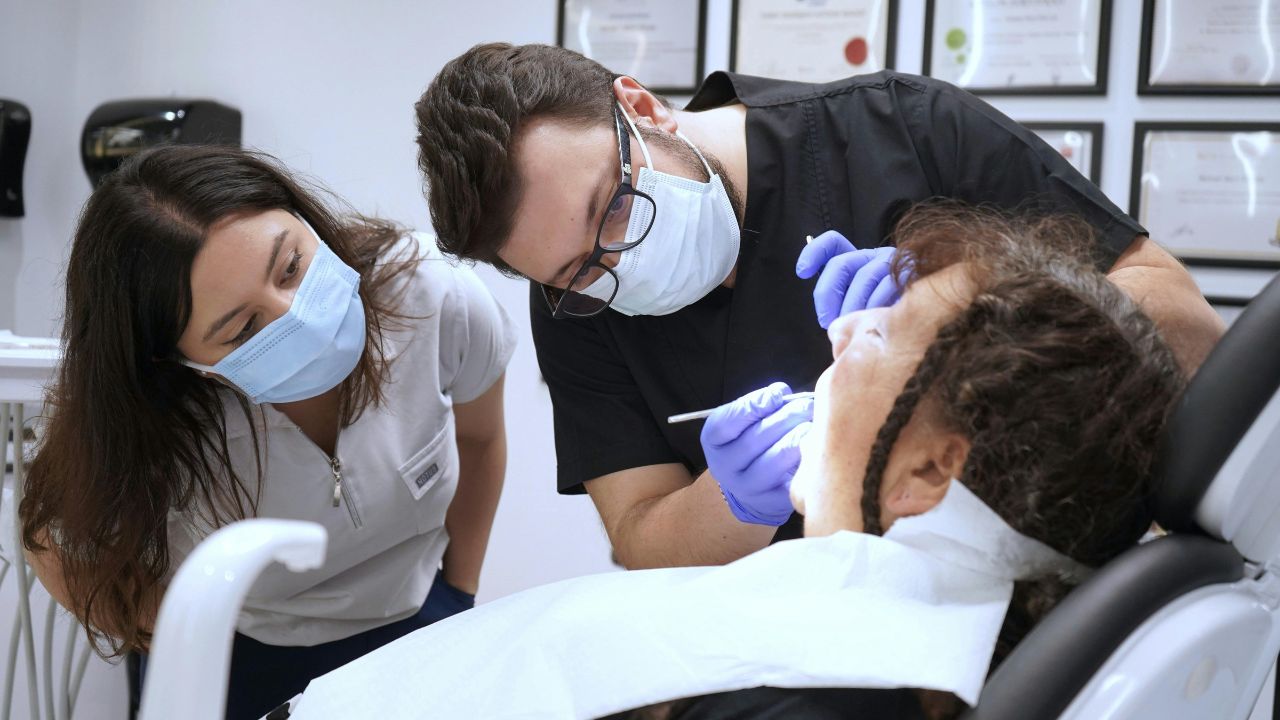
Modern root canal therapy is performed under local anaesthetic and most patients report that it is no more uncomfortable than having a standard filling. Any soreness afterwards is usually mild and manageable with over-the-counter pain relief.
A single-canal tooth (front tooth) can typically be treated in one appointment of 60-90 minutes. Molars with multiple canals may require two appointments. Your clinician will give you a clear timeline at your consultation.
In most cases, yes. A crown protects the treated tooth from fracture, restores its appearance and ensures long-term durability. We will discuss crown options with you as part of your treatment plan.
It is normal to experience some tenderness for a few days after treatment, particularly when biting. This settles quickly. If pain persists beyond a week or worsens, contact our clinic.
The cost varies depending on which tooth is treated and the number of canals involved. We provide a full treatment plan with itemised costs at your consultation. Health fund rebates may apply depending on your policy.
Without treatment, a tooth infection will worsen over time, potentially spreading to the jawbone and surrounding teeth. An abscess can develop, and in severe cases the infection can affect overall health. Early treatment gives the best outcome and the greatest chance of saving the tooth.


