
A safe and effective procedure to remove problematic wisdom teeth, relieve pain and prevent future dental complications. The Sydney Implant Institute delivers expert wisdom teeth extractions with minimal discomfort and fast recovery.

Wisdom teeth, also known as third molars, are the last set of teeth to develop and typically emerge between the ages of 17 and 25. Most adults develop four wisdom teeth — one in each corner of the mouth. Because the jaw often lacks sufficient space to accommodate these new teeth, they can become impacted, partially erupted, or grow at incorrect angles, leading to pain, infection and damage to adjacent teeth.
A safe, effective solution to relieve pain, prevent infection and protect your surrounding teeth from damage caused by impacted wisdom teeth.
Most extractions are completed in a single appointment, with rapid recovery and minimal disruption to your daily routine.
Performed under local anaesthetic or sedation for a comfortable experience, with post-operative care and support from our team.
Expert care from our experienced oral surgeons, using the latest digital imaging technology for precise, safe extractions with outstanding results.
Not every wisdom tooth requires extraction, but many do cause significant problems that make removal necessary. When a wisdom tooth does not have enough room to emerge properly, it can become trapped (impacted) beneath the gum line or bone. This can lead to serious dental health issues if left untreated.
When a wisdom tooth doesn't have enough room to emerge properly, it becomes impacted and trapped beneath the gum, often causing pain and infection.
Partially erupted wisdom teeth create pockets where bacteria thrive, leading to recurrent infections, bad taste, and pain in the surrounding tissue.
A simple extraction is performed when the wisdom tooth has fully erupted above the gum line and can be removed without incisions under local anaesthetic.
Surgical extraction is required when the wisdom tooth is impacted, partially erupted, or positioned at an angle beneath the gum requiring a small incision.
Emerging wisdom teeth can push against adjacent teeth, causing crowding or shifting that affects bite alignment and surrounding dental structures.
Swollen, red or bleeding gums around the wisdom tooth can indicate early-stage gum disease that may worsen if the tooth is not promptly removed.
Impacted or partially erupted wisdom teeth create pockets around the gum tissue where bacteria can thrive, increasing the risk of infection (pericoronitis), tooth decay and gum disease. Pressure from an impacted tooth can also cause damage to neighbouring teeth, bone loss and persistent jaw pain. In some cases, cysts or tumours can form around the impacted tooth, causing more serious complications. Early removal is generally recommended to avoid these outcomes.
Our experienced dental surgeons at The Sydney Implant Institute will conduct a thorough examination, including digital X-rays and a 3D cone beam CT scan, to assess your wisdom teeth and determine whether extraction is necessary. You may be a candidate for wisdom tooth removal if you experience:

The complexity of a wisdom tooth extraction depends on the position, angle and development of the tooth. At The Sydney Implant Institute, we perform both simple and surgical extractions to ensure the safest and most comfortable outcome for every patient.
Performed when the wisdom tooth has fully erupted above the gum line. A quick, straightforward procedure under local anaesthetic with a short recovery period.
Required for impacted or partially erupted teeth. Involves a small gum incision, possible bone removal or tooth sectioning, performed under local anaesthetic or sedation.
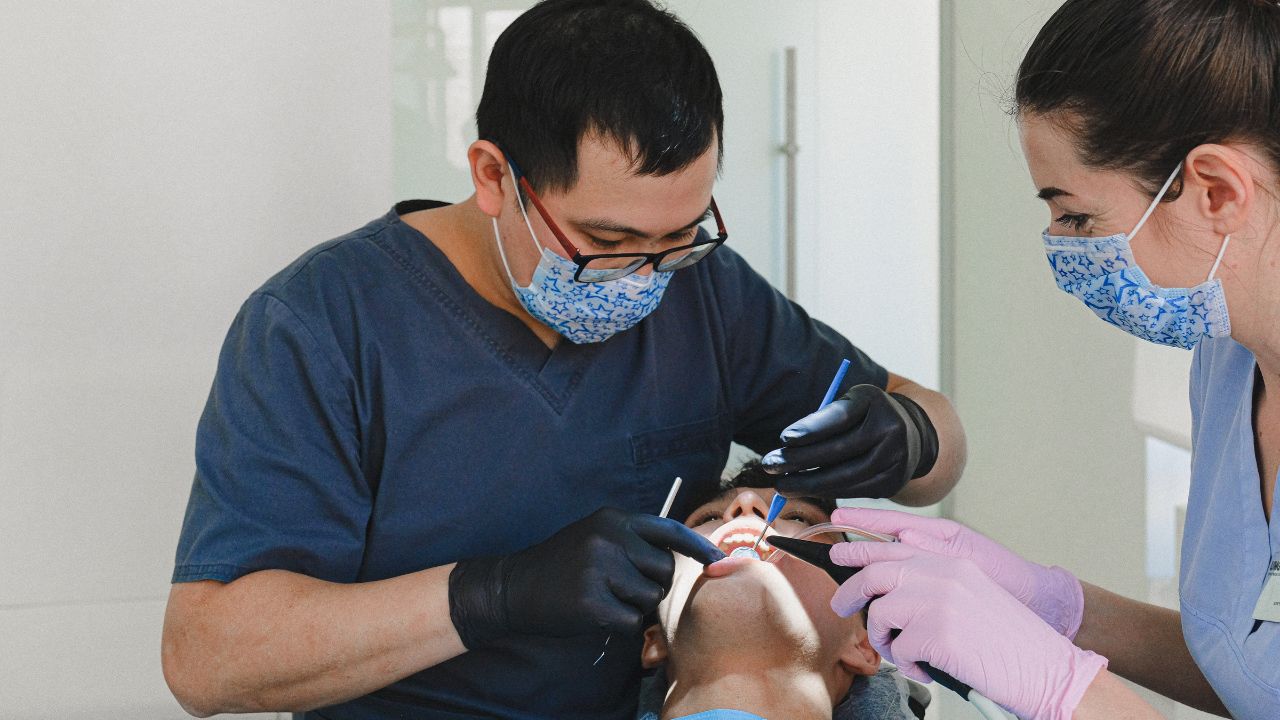
Sydney Implant Institute brings precision and clinical excellence to wisdom tooth extraction, using advanced digital imaging and cone beam CT technology for precise, safe treatment.
We assess your individual case thoroughly and provide honest advice about whether extraction is necessary, ensuring you make a fully informed decision about your care.
With a central Sydney location, free initial consultations and flexible payment options, accessing expert wisdom tooth care has never been easier.
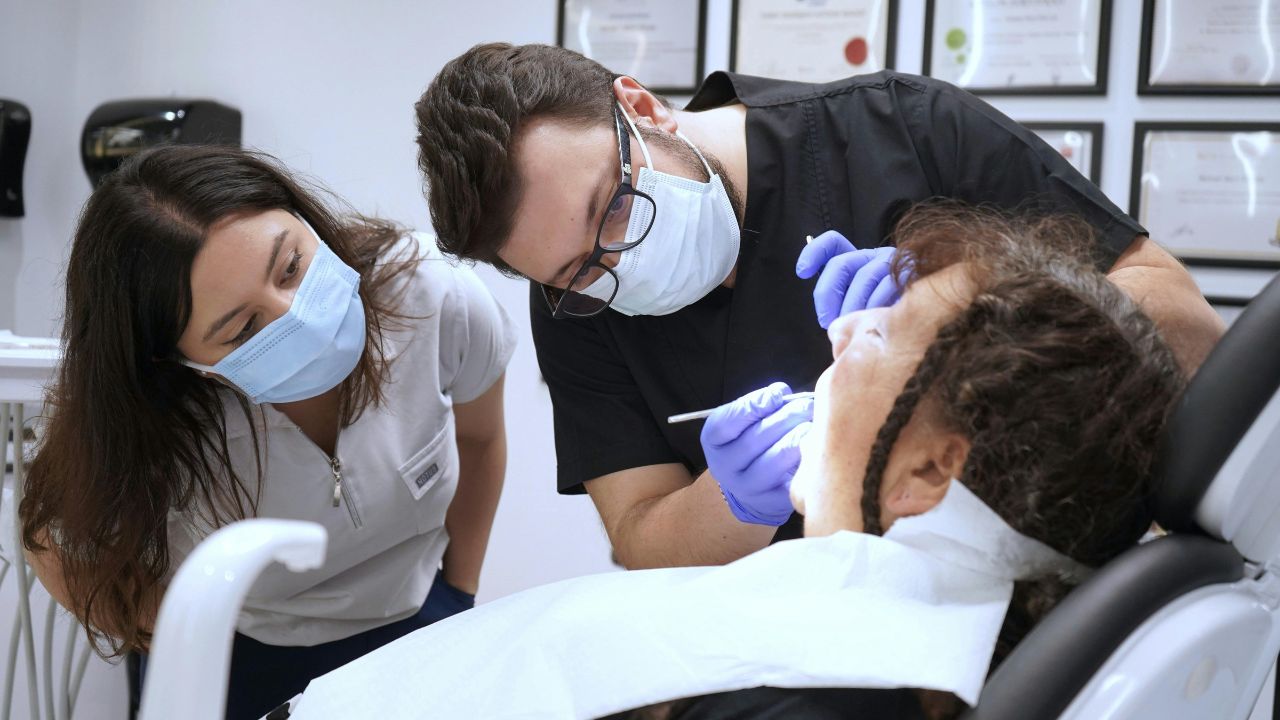
During the procedure, local anaesthetic ensures you feel no pain. Post-operatively, most patients experience manageable discomfort for 2–5 days, controlled effectively with prescribed pain relief and anti-inflammatory medication. Sedation options are available for anxious patients.
A single wisdom tooth extraction typically takes 20–45 minutes. Removing all four wisdom teeth at once takes approximately 60–90 minutes depending on complexity. Your surgeon will advise the expected duration at your consultation.
Most patients return to normal daily activities within 3–5 days. Full tissue healing typically occurs within 2–4 weeks. Bone remodelling in the socket may continue for several months following the extraction.
Dry socket (alveolar osteitis) occurs when the blood clot at the extraction site is dislodged or dissolves before the wound has healed. It can cause significant pain and delayed healing. Following your surgeon’s post-operative care instructions greatly reduces the risk.
Yes, it is common and often recommended to have all four wisdom teeth removed in a single session, particularly when general anaesthetic or sedation is planned. Your surgeon will discuss the best approach for your individual case.
The cost varies depending on the complexity of the extraction and the type of anaesthetic used. Simple extractions are generally more affordable than surgical extractions. A detailed cost estimate will be provided at your consultation. We offer flexible payment plans to make treatment accessible.


